
Online Help!
+91 – 9582106227
Diploma in radiology and imaging technology (DRIT)
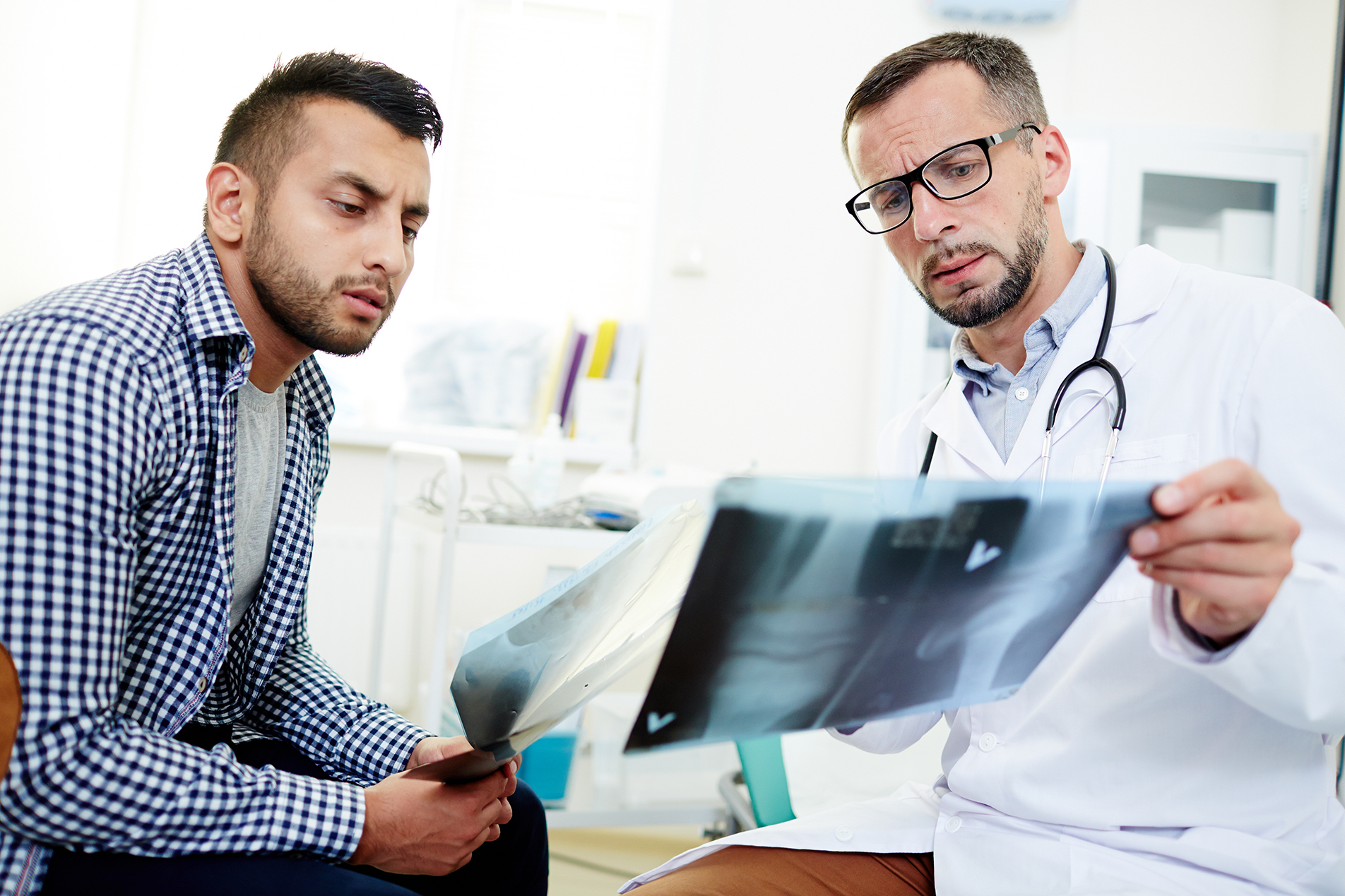
The Diploma in Radiology and Imaging Technology is a comprehensive two-year program designed to provide students with a fundamental understanding of radio diagnostic technology and medical imaging techniques. Through this program, students will receive training in operating radiographic equipment, mastering patient positioning for optimal imaging results, and developing the ability to analyze and critique images effectively.
The curriculum covers a wide range of subjects including anatomy and physiology, examination techniques, patient care, professionalism, radiation safety and protection, and proficiency in handling X-ray equipment. By the end of the program, students will have acquired the knowledge and skills necessary to excel in the field of radiology and imaging technology, contributing to quality patient care and ensuring the safety and effectiveness of diagnostic procedures.
During their training, students acquire proficiency in conducting tests that contribute to the diagnosis and treatment of diseases. Under proper supervision, they learn various techniques such as sample collection, centrifugation, slide preparation, and other diagnostic procedures. Additionally, students are educated on the importance of maintaining accurate records, evaluating laboratory equipment, and staying updated on the latest methodologies in testing.
The objectives of the Diploma in Radiology and Imaging Technology are as follows:
- Equip students with the necessary skills and knowledge to excel in their professional careers or pursue further education in the field of radiology and imaging technology.
- Provide comprehensive understanding of radiological and imaging technology essential for diagnosing a wide range of medical conditions.
- Develop students' abilities as proficient technical communicators, both verbally and in writing, and cultivate their teamwork skills to effectively collaborate in patient examinations across different age groups.
- Foster an academic environment that upholds excellence, transparency, leadership, and encourages a commitment to lifelong learning among students.
- Enhance clinical competencies and promote adaptability to emerging radiological and imaging technologies through self-directed professional development initiatives.
Programme Highlights
The program features a well-structured curriculum, taught by highly qualified faculty members. Students engage in hands-on, project-based learning across different disciplines, supported by modern laboratories and advanced imaging facilities. They also benefit from valuable clinical experience in reputable healthcare institutions.
Key Modules
The core curriculum encompasses essential subjects such as human anatomy and physiology, fundamental principles of physics with a focus on radiological applications, advanced topics in physics relating to modern imaging techniques, quality assurance in radiology and radiation safety protocols, techniques for radiographic and image processing, specialized procedures in contrast and advanced radiography, as well as English language proficiency and communication skills.
Career Avenues
Individuals with a diploma in medical radiology and imaging technology have the opportunity to build careers in various roles such as radiographers, radiologic technologists, nuclear medicine technologists, x-ray technicians, and ultrasound technicians.
Additionally, career paths available to those specialized in medical imaging technology include positions as:
- Ultrasound technicians
- Medical advisors
- Radiologic technologists
- Medical image analysis scientists.
Entry Requirements:
Applicants must have completed their 10+2 education in the science stream, including compulsory subjects such as physics and chemistry, along with either mathematics or biology.